TREEKING PICTURES

TREEKING PICTURES
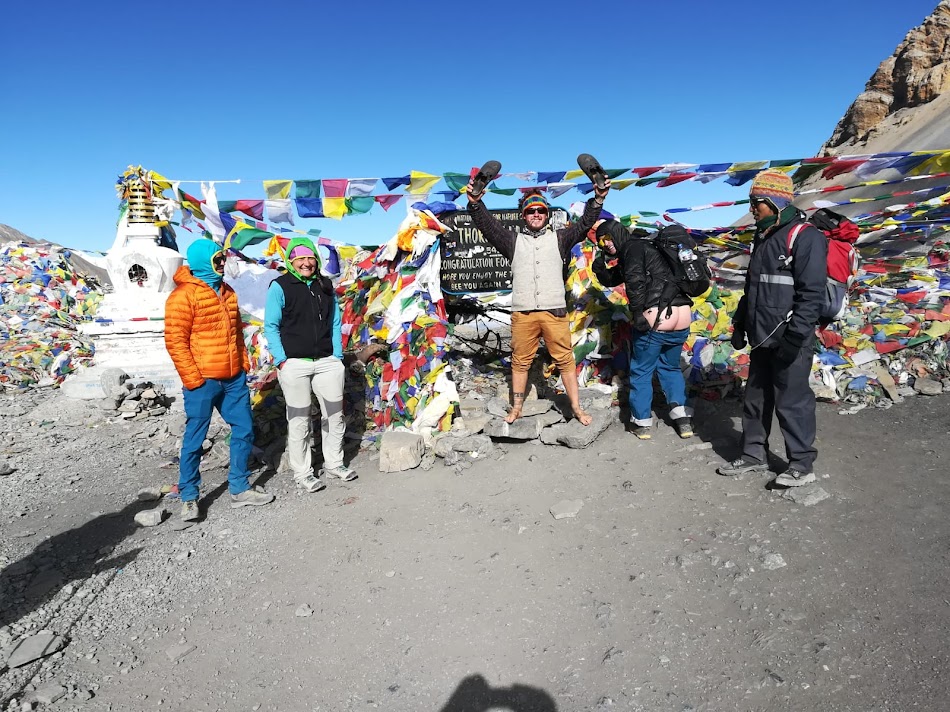
Here i upload some intresting pictures during our trek with our clients.

Monday, January 28, 2019

HOW TO HIRE INDEPENDENT GUIDES IN NEPAL?

Sunny:local guides in nepal
 If you are thinking to  hire a guide in nepal through an agency or find an independent guide, it’s important questions? You will spend your days or weeks with this person and potentially paying them a lot of money. Make sure you’ve got the right guide for your journey.
In most countries, independent guides and agency guides alike are required to be registered with government authority. Have your guide provide valid, up-to-date informations they comply with local regulations. This is a small point that shows your guide is a professional and not simply someone making extra cash on the side.
In addition to credibility, this information is valuable in the unlikely event you run into any problems on the trek. Knowing your guide is on the radar of government authorities and has insurance will give you peace of mind.
Many guides start out as porters, learn the trail, improve their language & client-facing skills, and then begin leading their own treks. Knowing how many times they’ve guided a trek helps in two regards – confidence and connections.
You want a guide confident with the trail, direction, distances, and most importantly safety. An inexperienced guide may be unable to spot AMS in their clients, spot weather changes, or estimate distances. There are few things worse than a guide that unsure of the correct response to a given situation. An experienced guide brings this confidence to the trek and can be the leader you need.
Connections are valuable because they’ll make for a smoother trek. Guides who know which restaurant ' teahouse 'guesthouse ' camp they’ll use make evenings easier and likely will lead to higher quality. If the trek runs into logistical challenges, the depth of their connections will be the speed and ease in which they are resolved.Ask potential guides how many treks they lead per season and how many are this particular trek. A guide leading more than twelve trips a season with more than four in your particular route should be appropriately experienced.
It seems obvious, but too often people trek with guides and lack the language skills to communicate with each other. Sometimes the agency or guide oversell their ability to speak a language or maybe you’ve been tempted by a low price. Be warned, this puts a serious cap on your ability to maximize value from your experience. Guides share knowledge of the land, people, and culture you’ll experience during your trek – don’t miss out on this!
Many professional guides go to great lengths to learn languages. Unfortunately, the language skills typically fall on the guide but they certainly don’t have to. Learn some words and phrases in their language and force yourself to use them on the trek. You’ll improve your communication & win the respect of your guide. Ask your guides what their favorite part of the itinerary is and why? You’ll get a sense for how descriptive and articulate they are in your language.
CONTACT US :BY MOUNTAIN GUIDES

Local Guide Of everest 

Wednesday, January 23, 2019

ALTITUDE SICKNESS/ACCLIMATIZATION


What Is Altitude Sickness/Acclimatization?
---Mountain sickness is a fact that there is about half the amount of oxygen at 5,000 meters as sea level, gives your body a long to-do list, so you can continue to enjoy your vacation. And simply put, things that your body does for you is called acclimatization. Help it by doing your part; you know it is your body after all.

Your body will increase pulse rate and breathing rate/depth. Given that your heart is already working harder, do not push it by exerting yourself.
Your body will let go of non-vital fluids by increasing urination. Do your part by replenishing the fluids.
Your body will thicken blood through fluid loss and increased red cells production. This increases danger of internal blood clots. Do your part by drinking enough and remaining active during the day.
Your body might go through a phase of periodic breathing which will disturb sleep. This is normal. Do your part by not suppressing this response through sleeping pills.
However, nothing will acclimate you above 5,500 meters unless you are Reinhold Messner. Do your part by limiting the length of stay or using supplemental oxygen.
Above everything else, remember that acclimatization is a process that takes time and depends on a wide variety of factors. And the single most important factor that causes sickness has got to be cockiness. The fact that you are an ultra-athlete or in the SAS is irrelevant to the mountains. Be kind to your body by giving it time and listening carefully to what your body is telling you. And we cannot stress this more but DO NOT even think of ascent with any symptom of altitude sickness.

The Do’s

1. Above 3,000 meters limit your daily ascent to 500 meters between night stops.

2. Have a rest day every 3 days or 1,000 meters ascent, whichever comes first.

3. Stay active during your rest days. Do not sleep during the day.

4. Drink 3 liters of fluid every day. ORS is highly recommended. Yes you will be peeing much more frequently, but remember you would be peeing almost as much even without the 3 liters.

5. For the Everest trek, preventive use of acetazolamide (Diamox) must be considered in addition to the aforementioned points. Dosage: 125 mg twice daily initiated a day before climb and continued until descent starts or after 3 days at target altitude for extended stay. For children below 16 the suggested dose is 2.5mg/kg twice daily.

6. If prior history of High Altitude Pulmonary Edema is present, nifedipine must be used preventively.  Dosage: 60 mg daily, divided into smaller doses for sustained release, starting the day before ascent and continued until descent begins or 5 nights at target elevation.

7. Make sure you are warmly clothed at all times. Carry a fleece in your day pack and make use of your windstopper.

The Don’ts

1. Do not continue ascent with headache or any other sign of altitude illness.

2. Avoid alcohol at all costs, when you are going up.

3. Try to avoid sleeping pill as far as possible.

Sunday, January 13, 2019

MOUNTAIN LIFESTYLE ( SHORT ARTICLE )

LIFESTYLE IN MOUNTAIN

--- Nepal has different altitude and climate. The lifestyle of Nepalese people differs from Terai to the Himalayan region. Every ethnic group has their own unique costumes, speak their own languages, and follow their own religious practices. They live under different diverse geographic from the low plains to high mountains.

This Himalayan region is always covered with snow The southern part of this region is less cold. The climate of this region is cold, dry and windy. Sherpas, Bhotias, Thakalis live here. They wear thin woolen clothes called Bhakkhu, Pangden and Kneehigh thick shoes called Docha. The people in this region eat ‘Dhindo’ (a pudding- like food made from maize or millet), bread, potato, and meat. They live in a house made up of stone and clay and wood . They also have a special type of sea which is prepared from tea leaves, salt, and ghee. The people work hard to eat a lot and they rarely fall ill. The people are quite strong and healthy. Health center and healt posts are also established in some of the places.Th main occupation of Himalayan people is animal husbandry. They follow Buddhism. They celebrate the Lhosar festival which falls in Magh. They visit one another’s houses during festivals.

Thanks for your visit
Good Luck

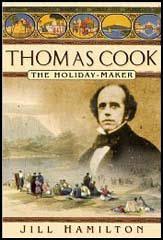
THOMAS COOK-FATHER OF MODERN TOURISM (HISTORY)

THOMAS COOK
Do you know who Thomas Cook was and what contribution he made to the history of travel? Perhaps you have heard the name, seen it on the travel agencies that still carry his name, or maybe you’ve even taken a Thomas Cook tour. But my guess is that, like me, you don’t know too much about the man or how he fits into the history of travel. Thomas Cook was a passionate man who was born into a world where most working class people worked long 6-day weeks and never traveled more than 20 miles from their home towns. Thomas would begin work at age 10, laboring in a vegetable garden for 1 penny per day; but with a lot of determination and hard work, this working class man would eventually build one of the largest travel companies in the world. This post is dedicated to the memory of Thomas Cook and his role in history and will give you a good overview of Thomas the man, Thomas the travel pioneer, and a glimpse of what it was like to travel in the Victorian age.
Thomas Cook was a travel pioneer who built one of the largest travel businesses in the world, a business that started very humbly as a way to transport travelers to nearby temperance meetings. Thomas was able to “organize travel as it was never organized before” and with the help of the railways and the steam engine, he was able to do it on a scale that would have never before been possible. Although not the first to come up with most of the ideas, Thomas would make things like travel vouchers, traveler’s cheques, and printed guidebooks common and widespread. Cook would use his talents as a printer to print travel advertisements, bulletins, magazines, guidebooks, and train timetables. In fact, Thomas Cook Continental Timetables would be published from 1873 to 2013 (last edition was published in August 2013) and were for many decades considered the bible for European train travelers. His religious fervor would make him seek out exotic locations such as the Middle East and his determination would lead to Thomas Cook & Son opening offices around the world. Perhaps his greatest legacy is that he helped make it possible for a new group of people to engage in leisure travel. Cook understood well the drudgery of hard work and trying to support oneself on a meager income, and his tours provided working and lower middle class people the opportunity to explore a world they could have only have read about otherwise. Today, Thomas Cook & Son still exists in some form, offering travel tours, but is no longer a family-run business. Thomas Cook brought “travel to the millions” and his name remains one of the names most often associated with travel, often given the title:Father of Modern Tourism”.

Saturday, January 12, 2019

DESTINATION NEPAL--TOURISM YEAR 2020


REAL-NEPAL (Why Nepal?)
Nepal is fifth among the Top 10 countries to visit in the world and number one in Best Valued Destination in the World. Why wouldn’t they be? Nepal has natural beauty, Sky-high Mountain- Range and endless culture and traditions spread out all over the country.
One of the reasons to visit Nepal is for trekking and climbing mountains. You can climb to the top of the World by scaling and conquering the Everest, the highest peak in the World. Trekking comes with viewing the natural beauty of Himalayas and knowing the lifestyle of people living in altitudes above 3000 meters.
Nepal is also rich in culture and traditions. There are countless ethnic groups each following their distinct art and religions. This diverse traditions and lifestyle is a prominent feature of Nepalese people.
Nepal rich in cultural diversity, and this vast tradition showcases in the heritage and temples. In Kathmandu alone, there are 7 UNESCO World Heritage sites including Pashupatinath, Boudhanath and Durbar Squares.
Nepal is not only about trekking and mountain climbing. Nepal boasts a wide range of animals and plants, some found just in Nepal. Nepal has 852 species of birds and bird watching has evolved into a sought out activity of tourists. Nepal also have several endangered species such as the Bengal Tiger, One Horned Rhinoceros, Bengal Fox, Red Panda and t Snow Leopard.
 # VISIT NEPAL 2020
The government of Nepal is working to ensure a successful tourism period till 2020. The Tourism Board set a target of 2 million tourist arrival in 2020. Currently, the country sees nearly one million tourist visitors yearly and expect to double this number promoting Visit Nepal Campaign. At the moment, the tourism board is running Visit Nepal Europe campaign supported by ambassadors and diplomats of Nepal in European countries.
By 2020, the government plan to operate two new International Airport, Pokhara, and Lumbini and introduce new Airbus 330-200 to provide airline services to a large number of tourists. The government also plans to run Tribhuwan International Airport for additional 3 hours from regular 18 hours to ensure availability of services to incoming and departing tourists.
The private hotel sector has planned to add 4000 new rooms in four and five-star category in Kathmandu, Chitwan, and Pokhara. Many new international chain hotels, Hilton, DoubleTree, Marriott, are expected to operate in the coming years.

The year 2020 has been announced as "Tourism Year for Nepal" and to make
#VisitNepal2020 successful, let every Nepali unite & promote the beauty of
#Nepal #GoVisitNepal #Travel
#hikingtrails #tourist #TourismWeek
#VisitNepal #tourism
#GOOD LUCK
#TOURISM _YEAR_2020_SPECIAL

Friday, January 11, 2019

INTRODUCTION

Namaste Everyone 🙏🙏🙏
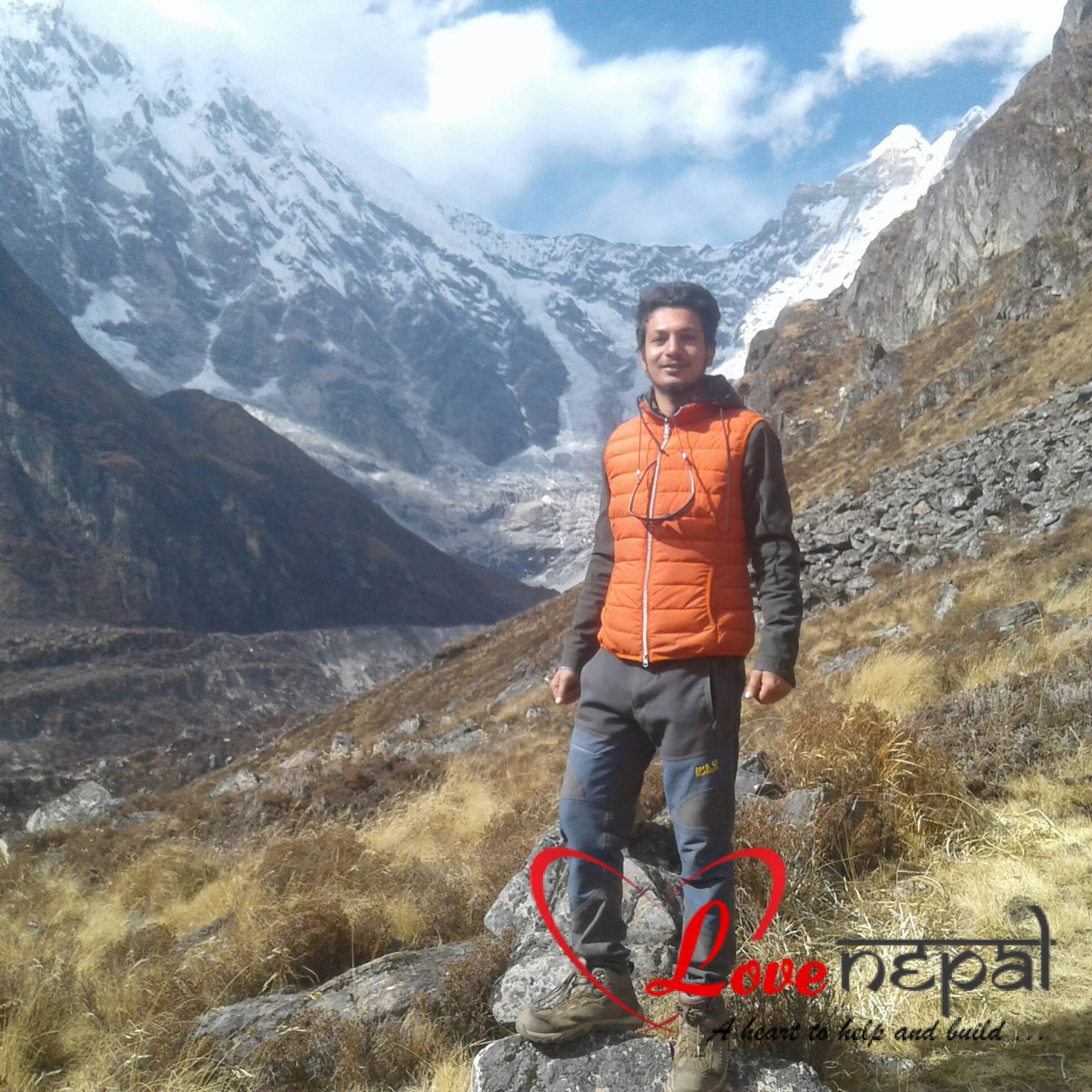
Namaste! My name is Sunny Dev Dhakal, a passionate and government-authorized trekking and tour guide from Nepal with more than 10 years of experience in the travel and tourism industry. Since 2015, I have been helping travelers from around the world explore the natural beauty, culture, and adventure of Nepal in a safe, friendly, and unforgettable way. I am a graduate of Tribhuvan University with a Bachelor’s degree in Business Management, which has helped me develop strong communication, hospitality, and leadership skills. Traveling and exploring nature have always been my passion since childhood, and that passion inspired me to turn guiding into my profession. Over the years, I have successfully guided trekkers through some of Nepal’s most iconic destinations, including Everest Base Camp, Annapurna Circuit, Manaslu, Dhaulagiri, and many other Himalayan and cultural trails. My deep knowledge of local culture, mountains, traditions, and trekking routes allows me to provide authentic and memorable experiences to every traveler. As a guide, I believe in honesty, safety, respect, and genuine hospitality. Whether you are visiting Nepal for adventure, culture, or peaceful mountain experiences, I am committed to making your journey comfortable, exciting, and truly special. Let’s explore the beauty of Nepal together and create unforgettable memories in the Himalayas.
I come from a humble middle-class family where values, respect, and honesty have always been the foundation of life. I strongly believe in religious faith, moral principles, and respecting elders. While I have a modern outlook toward life, I also deeply respect the traditions and values passed down by our ancestors. I am a passionate traveler and adventure enthusiast who enjoys trekking, exploring new places with friends, listening to classical music, and watching the latest movies. These interests have shaped my personality into someone who is open-minded, energetic, and connected to nature and culture. Professionally, I am deeply passionate about my work in the tourism and trekking industry. I truly enjoy what I do, and that passion motivates me every day to improve myself, learn new skills, and provide better experiences for the people I guide. My dedication, discipline, and positive attitude have helped me grow continuously in my career. I am an ambitious and goal-oriented person who always strives for progress and excellence. I enjoy challenges because they push me to become stronger and more capable. During my early career as an assistant guide, my hard work and commitment earned me two promotions in less than two years, which became one of my proudest professional achievements. I believe that success comes from sincerity, continuous learning, and treating people with kindness and respect. My goal is not only to guide travelers through beautiful destinations but also to create meaningful memories and genuine human connections along the journey.
I’m a people-person. I love meeting new people and learning about their lives and their backgrounds. I can almost always find common ground with strangers, and I like making people feel comfortable in my presence. I find this skill is especially helpful with my new clients.
I’m a natural leader. I’ve eventually been promoted to a leadership role in almost every job because I like to help people. I find guests usually come to me with questions or concerns even when I’m not in a leadership role because if I don’t know the answer, I’ll at least point them in the right direction.
I am an excellent communicator who believes that clear and honest communication is the key to successful teamwork and outstanding travel experiences. I always make sure that clients, team members, and local staff have the right information at the right time, because good communication creates trust, confidence, and better results. In the tourism and trekking industry, many challenges arise from misunderstandings or lack of coordination. That is why I take responsibility for keeping everyone informed, organized, and working together smoothly throughout the journey. My communication skills have helped me build strong relationships with travelers from different countries and cultures. Through dedication and professional service, I was able to increase my personal client retention rate by more than 30% within a year. In addition, my strong coordination and leadership skills helped my trekking team successfully complete 100% of our trips within the planned schedule and deadlines. I believe that professionalism, teamwork, and positive communication are essential for creating safe, enjoyable, and unforgettable travel experiences for every guest.
---

Acting like a human being and serve humanity is my strong personality.


FOR DETAILS-
CONTACT ME: dhakalsunny11@gmail.com

TOP OF THE WORLD ( Mt. Everest 4448m )

The highest point on Earth is Mount Everest. 
Everest is one of the Himalayas of southern Asia. The peak is on the border between Nepal and the Chinese region of Tibet. In Tibetan the peak is known as Chomolungma, or Qomolangma, meaning “Goddess Mother of the World.”

Mount Everest rises to a height of more than 29,000 feet (8,848 meters). The air at that height is thin, the temperatures are very cold, and the winds are extraordinarily strong. The conditions near the top are too harsh for any plant or animal life to survive. Huge ice sheets called glaciers cover the slopes down to the base of the mountain.
Some Tibetan-speaking peoples live in the valleys below the mountain. The best known are the Sherpa. They live in villages at altitudes up to about 14,000 feet (4,300 meters). The Sherpa are known for their strength and endurance at high altitudes. They lead climbing trips in the Himalayas.
Mount Everest has long been a challenge to mountaineers. Early attempts to reach the summit began in the 1920s. They failed largely because of the harsh conditions on the mountain. The first successful climb took place in 1953. Edmund Hillary of New Zealand and Tenzing Norgay, a Nepalese Sherpa guide, were the first to reach the top. Since then there have been a number of successful climbs.
 highest point on Earth is Mount Everest.
 Everest is one of the
Himalayas of southern Asia. The peak is on the border between Nepal and the Chinese region of Tibet. In Tibetan the peak is known as Chomolungma, or Qomolangma, meaning “Goddess Mother of the World.”
Mount Everest rises to a height of more than 29,000 feet (8,848 meters). The air at that height is thin, the temperatures are very cold, and the winds are extraordinarily strong. The conditions near the top are too harsh for any plant or animal life to survive. Huge ice sheets called glaciers cover the slopes down to the base of the mountain.
Some Tibetan-speaking peoples live in the valleys below the mountain. The best known are the Sherpa. They live in villages at altitudes up to about 14,000 feet (4,300 meters). The Sherpa are known for their strength and endurance at high altitudes. They lead climbing trips in the Himalayas.
Mount Everest has long been a challenge to mountaineers. Early attempts to reach the summit began in the 1920s. They failed largely because of the harsh conditions on the mountain. The first successful climb took place in 1953. Edmund Hillary of New Zealand and Tenzing Norgay, a Nepalese Sherpa guide, were the first to reach the top. Since then there have been a number of successful climbs.